How a Healthcare Platform Achieved 67% Higher Patient Satisfaction Through Accessibility Testing

The medical care industry had adopted better patient care technology before covid hit. The COVID-19 pandemic has massively accelerated the adoption of technologies, and since then, the use of digital tools in healthcare has been steadily improving each year. The reports by EY said 83% of doctors said they feel more comfortable when using digital health technologies. In addition, 67% of the healthcare team is also planning to use innovative tools to allow better patient care & effective operation. In the current virtual age, healthcare providers are recognizing the necessity of enhancing patient experience through web accessibility testing services.

Digital accessibility in the healthcare sector is a necessary aspect of offering equal access to medical care services. Currently, the healthcare accessibility testing services ensure that their sites are accessible for all patients regardless of their abilities. Medical sites or applications are built to be accessible for every user, including users with any disability. Digital accessibility in the healthcare landscape includes accessible content that is easy to navigate.

Healthcare providers must ensure that their tools fulfill all regulatory compliance requirements. By prioritizing all these features, a healthcare accessibility testing company can craft a better, more inclusive environment. Conducting accessibility in the healthcare sector is necessary to ensure that every user can swiftly access the app.

Following this practice aligns with ethical standards & and legal demands. Here in this blog, we have shared the challenges in the healthcare sector and the demand for accessibility testing to navigate the gaps. Check how you can achieve 67% of patient satisfaction with accessibility testing.

The Challenge: Accessibility Gaps Impacting Patient Experience

➺ Platform Overview

The medical care landscape is a comprehensive digital solution designed to support telehealth consultation, appointment scheduling, and a secure patient portal. It allows patients to book virtual as well as personal visits, smooth communication with healthcare providers, and manage prescriptions.

The accessibility testing consultancy aims to streamline healthcare delivery while minimizing administrative burdens for providers. The user base in the healthcare sector is diverse, including tech-savvy adults, elderly patients, and individuals with visual or motor impairments. Most of the users rely on the platform during crucial health issues.

To navigate the level of digital literacy and age-related challenges, the digital accessibility testing company highlights the necessity of inclusive design, for elder users and patients with visual impairments, small fonts, complicated navigation, and limited screen-reader compatibility can cause barriers. Any errors in accessibility directly hamper patient confidence and their engagement.

➺ The Problem

☢ Low patient satisfaction scores related to digital usability

The platform’s digital usability caused a fall in patient satisfaction levels. Patients found it challenging to accomplish crucial tasks like scheduling appointments or accessing test results due to complicated navigation, inconsistent layouts, and ambiguous call-to-action features. Frustration got worse with slow page loads and confusing routines, particularly when there were urgent care needs.

First-time users and elderly patients reported feeling overburdened, which resulted in sessions being abandoned and a decline in platform trust. These usability problems had a negative effect on post-visit surveys and app store evaluations, and they also negatively affected patient engagement and the relationships between patients and providers.

☢ Negative feedback from patients with disabilities or impairments

Patients with disabilities consistently expressed dissatisfaction with the platform’s accessibility barriers. For example, visually impaired users reported poor screen-reader compatibility, missing alt text, and low color contrast that made content difficult to perceive; patients with motor impairments encountered difficulties due to small clickable elements and limited keyboard navigation; and hearing-impaired users reported the absence of captions or transcripts for educational content and video consultations. These gaps made patients feel excluded and undervalued, which reduced their capacity to independently manage healthcare tasks and negatively impacted their overall experience.

☢ Compliance concerns (WCAG, ADA, Section 508, etc.)

Concerns about the platform’s compliance with well-known accessibility guidelines like WCAG, ADA, and Section 508 were becoming more prevalent. The organization was subject to legal and regulatory concerns, such as possible complaints or penalties, due to inconsistent adherence to these principles.

The problem was made worse by missing accessibility documentation, inadequate audits, and a lack of continuous monitoring. Beyond the legal ramifications, the organization’s dedication to inclusive care was compromised by non-compliance. It became essential to address these principles in order to guarantee fair access, lower risk, and foster patient trust in addition to meeting legal obligations.
Ready to Build an Inclusive, Patient-First Healthcare Platform

The Turning Point: Committing to Accessibility Testing

✦ Leadership Buy-In and Strategy Shift

Accessibility was recognized by leadership as a strategic issue as opposed to a compliance afterthought. Dedicated budgets were approved by executives, and product roadmaps included accessibility objectives. QA, UX, development, and compliance were among the cross-functional teams that collaborated to integrate inclusive design and testing techniques.

To take advantage of specialized knowledge and scalable testing skills, outside assistance from accessibility testing companies in India was also taken into consideration. This change assured long-term dedication to providing an inclusive, patient-centered digital healthcare experience, decreased silos, and established shared ownership.

✦ Accessibility Testing Plan

To guarantee methodical and visible improvements, a structured accessibility testing approach was implemented. The accessibility testing agency used a staged strategy, starting with a thorough accessibility audit to find any holes on mobile and web platforms. This audit integrated manual assessments, such as contrast analysis, keyboard navigation tests, and screen-reader testing, with automated scans. Results were recorded and ranked according to regulatory risk, user impact, and severity.

Targeted accessibility testing, healthcare incorporated into current QA processes, was the main focus of the second phase. In order to guarantee consistent validation throughout every release cycle, test cases were mapped to WCAG success criteria. Early resolution was made possible by collaboration with the UX and development teams, which decreased rework and sped up repairs. This stage was supported by accessibility testing firms in India, who offered comprehensive compliance reports, real-user simulations, and scalable testing resources.

Remedial action and ongoing improvement were prioritized in the last stage of Healthcare accessibility testing. To monitor success, certain key performance indicators (KPIs) were established, such as increases in patient satisfaction scores, decreases in the stack of accessibility issues, and overall compliance scores. Accountability and transparency were guaranteed by frequent reviews. By adhering to this staged strategy, the company integrated inclusivity into the product lifecycle and transitioned from reactive repairs to proactive accessibility assurance.

Also Read : Manual Accessibility Testing: A Comprehensive Guide

The Implementation: Tools, Methods, and Best Practices

➺ Accessibility Testing Tools Used

☢ Axe DevTools – To swiftly find WCAG issues throughout the platform, automated accessibility testing was conducted using Axe DevTools. Early in the development process, it assisted in identifying problems, including missing alt text, incorrect ARIA labels, color contrast issues, and semantic HTML flaws.

☢ NVDA/JAWS – Real-world experiences for visually impaired people were validated using NVDA and JAWS screen readers. To guarantee seamless, screen-reader-friendly interactions, testing concentrated on navigation flow, form labels, announcements, and content readability.

☢ BrowserStack with screen readers – Using built-in screen readers, BrowserStack made cross-browser and cross-device accessibility testing possible. It reduced environment-specific usability problems by ensuring consistent accessible behavior across various operating systems, browsers, and assistive technologies.

☢ Manual keyboard testing – All platform functions were verified to be mouse-inaccessible through manual keyboard testing. Logical tab order, focus visibility, keyboard shortcuts, and the capacity to finish crucial tasks solely with keyboard inputs were all verified by testers.

☢ User testing with real patients with disabilities- Usability testing involved actual patients with visual, motor, and cognitive limitations. Their opinions identified real-world problems, verified solutions, and guaranteed that accessibility enhancements actually improved the patient experience.

➺ Types of Accessibility Tests Performed

✦ Automated audits for high-traffic pages- On popular pages, including login, appointment scheduling, and patient dashboards, automated accessibility checks were carried out. By promptly identifying WCAG problems, including missing labels, contrast failures, and structural flaws, these audits made it possible to prioritize and fix important accessibility gaps more quickly.

✦ Manual tests for appointment forms, chatbots, and dashboards- Manual testing concentrated on intricate user interactions, such as patient dashboards, chatbots, and appointment forms. To make sure people with disabilities could finish tasks on their own, testers assessed keyboard navigation, screen-reader flow, error messages, and form validation.

✦ Mobile accessibility checks- Healthtech accessibility solutions testing for mobile confirmed usability on both iOS and Android devices. Screen-reader support, touch target sizes, gesture options, orientation management, and readability were all tested to make sure mobile healthcare consumers had a reliable and accessible experience.

✦ Color contrast and font-size testing- Accessibility testing healthcare platforms for font size and color contrast ensured that the text complied with WCAG readability requirements. In order to assist people with low vision and age-related visual difficulties, designers verified contrast ratios, scalable typefaces, and responsive layouts.

➺ Key Fixes Implemented

✦ Improved keyboard navigation and focus indicators- By providing clear focus indications, enabling skip links, and adjusting tab order, keyboard navigation was improved. These enhancements improved usability for people with mobility impairments and screen readers by enabling users to browse all functions without a mouse.

✦ Added proper ARIA labels and semantic HTML- Semantic HTML elements and appropriate ARIA labels were added to enhance assistive technology compatibility. Better content organization, more accurate screen-reader announcements, and easier navigation between forms, menus, and interactive elements were all made possible by this.

✦ Enhanced contrast ratios and scalable text- Text was made completely scalable without disrupting layouts, and contrast ratios were raised. These modifications enhanced readability across devices and lighting situations for older patients and people with limited vision.

✦ Simplified forms with assistive hints- By eliminating unnecessary fields, enhancing error warnings, and including helpful recommendations, forms were made simpler. Users were able to confidently complete forms because of clear instructions and inline advice, which decreased errors and abandonment rates.

The Impact: 67% Increase in Patient Satisfaction

✦ Measurable Results

➺ 67% rise in satisfaction scores within 3 months

In just three months, organized accessibility improvements resulted in a 67% increase in patient satisfaction levels. Positive post-visit surveys and app evaluations resulted from patients’ increased self-assurance while utilizing the platform on their own.

➺ 40% decrease in support tickets related to access issues

Following the implementation of critical fixes, support tickets pertaining to usability and accessibility decreased by 40%. The need for help was decreased via improved screen-reader compatibility, cleaner forms, and keyboard navigation. This decrease demonstrated how proactive accessibility testing services may greatly increase platform effectiveness.

➺ Higher retention among elderly and visually impaired patients

Following accessibility testing services, retention rates were significantly higher for elderly and visually challenged patients. Routine chores were made easier with better contrast, streamlined procedures, and screen-reader-friendly layouts.

➺ Improved WCAG 2.1 AA compliance score (from 68% to 96%)

Systematic audits, testing, and remediation significantly increased the platform’s WCAG 2.1 AA compliance score from 68% to 96%. Organizational credibility was enhanced, and legal and regulatory concerns were decreased via consistent adherence to accessibility requirements. Compliance was maintained throughout new versions thanks to regular reviews and continuing accessibility testing services.

✦ Patient Feedback Highlights

➺ Finally, I can book my appointments without help!

A significant change towards patient independence was evident in this feedback. Users, particularly senior patients, were able to complete bookings independently because of accessible form validation, clear labels, and streamlined appointment sequences.

➺ The portal works seamlessly with my screen reader.

Smoother screen-reader compatibility was opted for by visually challenged patients as a significant improvement. Accurate announcements and effective interactions were guaranteed by appropriate ARIA labels, semantic HTML, and logical navigation.

➺ Increased trust and loyalty from underserved patient groups

After the platform’s accessibility was improved, underserved patient groups showed increased trust and loyalty. Emotional connections with the medical professional were reinforced when they felt included and supported.

Also Read : Enhancing Logistics & Transportation with Accessibility and Performance Testing

Lessons Learned and Best Practices for Healthcare Platforms

✦ Key Takeaways

➺ Accessibility is not just a checkbox—it drives user satisfaction

Patients’ perceptions and usage of digital healthcare platforms are directly impacted by accessibility. Users express more happiness, feel more confident, and finish jobs more quickly when accessibility is given priority. All users, not only those with disabilities, benefit from inclusive design in terms of overall usability.

➺ Combine automated and manual testing for the best results

While manual testing reveals actual usability problems, automated tools swiftly discover common accessibility concerns. Combining the two methods guarantees improved alignment with real-world patient interactions across various assistive devices, more accuracy, and wider coverage.

➺ Involve real users with disabilities in testing

Testing with actual disabled users offers insights that are not possible with tools alone. Their input identifies real-world obstacles, assesses solutions, and guarantees that accessibility upgrades actually improve patient autonomy and experience.

➺ Accessibility boosts brand trust and inclusivity

Platforms that are accessible show a strong dedication to providing inclusive care. Long-term engagement, brand trust, and loyalty are all strengthened when patients feel appreciated and helped.

✦ Mistakes to Avoid

➺ Relying only on automated tools

A misleading perception of accessibility is produced by relying only on automated tools. Human evaluation is necessary for many usability difficulties. Hiring accessibility QA for healthcare apps facilitates the identification of intricate, practical issues that go beyond automated scan findings.

➺ Ignoring accessibility during the design phase

When accessibility is neglected during design, it becomes expensive and ineffective to address problems later. Incorporating designers and an accessibility testing consultancy early on guarantees that inclusive design principles are ingrained from the first.

➺ Delaying accessibility fixes to the end of development

Delaying accessibility changes until the very end results in insufficient repair. Consistent, inclusive user experiences are produced, rework is decreased, and compliance is increased when accessibility is integrated throughout the development process.
Ready to Discuss Accessibility Testing for Your Platform

Accessibility Testing for Healthcare That Delivers Real Patient Outcomes — Talk to Our Experts

In conclusion, incorporating Digital accessibility for healthcare isn’t a regulatory necessity but a practical decision. Accessibility testing ensures inclusivity and gives access to use the app to a wide user base. Accessibility testing not only improves patient satisfaction but also leaves a long-lasting impact. If you also want to enhance accessibility in your platform, talk with the accessibility testing company and design a strategy to achieve real outcomes.
Functional Testing Company in the USA

In this progressive world of SDLC, verifying the delivery of a high-quality product is necessary. This is where functional testing acts as a strong component of QA. Functional testing determines whether the software system verifies that it acts as per the specific requirements. By tracking any potential errors early in the SDLC, it safeguards against future complications and accelerates user satisfaction. The significance of functional testing services can’t be overstated, and it acts as the reason behind the success of the software launch. The worldwide functional testing market was estimated at USD 11,376.8 million by 2030.

The role of functional testing is to address the gaps between the existing and expected conditions of the software product. By testing each element of software, the QA team can address & resolve gaps during the initial days. It is used for avoiding potential gaps in the SDLC process. The proactive approach not only drives the software’s quality but also saves time & cost from post-release bug fixes.

Functional testing services play a powerful role in delivering high-quality software products. In the USA, various companies have specialized in offering exceptional software products. Whether you are aiming to build and release a web, music, or enterprise app, selecting the right partner ensures the software matches all needs and performs flawlessly.

You will be surprised to know the world’s software testing industry is expected to hike with 5% growth each year by 2032. Currently, a wide range of software apps are released to the market, and the importance of software testing companies has become more significant. In this post, we’ll talk about renowned USA functional testing service providers who support every industry to release quality apps.

What is Functional Testing?

Functional testing service plays the necessary role because it safeguards user pleasure and quality. Functional testing is the backbone of SDLC, and it’s an ongoing commitment to drive the quality of software. The comprehensive analysis not only assists in addressing errors but also promotes a positive culture within development. Selection of functional testing results desired consumer expectations and stand out for your app in the crowded market.

Understanding and fulfilling customer demand is necessary, no matter which business you own. By confirming the app matches the needs, functional testing acts as the link between users and developers. It verifies that every component fulfills its primary function in real-world scenarios. Users will only rely on your software when they find it matches their needs accurately. The aim of functional testing is to find mistakes early in the SDLC. Early error detection enables the team to safeguard efforts by locating & overcoming errors prior to them becoming severe errors.

The proactive strategy guarantees a seamless deployment process & minimizes the possibility of post-launch support. Early bug detection makes a program reliable and allows developers to concentrate on new projects rather than stuck in bug fixing. Functional testing is the necessary approach that supports the quality of software and validates user demand. The development team can design solid products that connect with users & succeed in the fast-paced virtual world by embracing functional testing. Now, move down to get a brief of testing types-

➺ Types of Functional Testing

☢ Unit Testing

The worldwide software testing landscape is gearing up for impressive growth, aimed to hit $109.5 billion by 2027. Unit testing is the initial stage of functional testing that focuses on individual components or software units. Developers conduct these tests to validate that each unit functions accurately on its own.

The level of testing is crucial for tracking & resolving gaps prior to the development phase. When you talk with the QA providers, they will deeply research and verify the design standards. With its straightforward approaches, the QA team can validate that each element of code operates as desired prior to it catching major issues.

☢ Integration Testing

This testing is performed after unit testing to check how various software parts function as a cohesive whole. The kind of testing is necessary because errors may occur when elements interact, even if they perform as desired. The goal of integration testing is to detect errors with communication and validate that data moves across modules without any irregularities or complexities. This testing confirms that the integrated system satisfies functional demands.

☢ System Testing

System testing is an approach that is used for testing the whole software application. This is an extensive test that is employed for examining the app’s performance, security, stability, and usability, in addition to its functionality. System testing guarantees the software satisfies user expectations & function successfully under various settings before it is released.

☢ User Acceptance Testing (UAT)

Before you close the testing process, use this testing approach known as user acceptance testing. The real-time users analyze the app to verify that it matches their respective demands and errors. Using real-world app scenarios, the testing gives the user an idea about usability & functionality. It’s a necessary phase that plays an important role in client satisfaction by verifying that the app is user-friendly.

☢ Regression Testing

This testing is necessary for verifying that recent code changes haven’t adversely impacted the existing features. This functional testing type covers re-running the past conducted test to validate that the existing features still function as desired. Regression testing is necessary to balance the performance and stability of the app throughout updates.

View Services

Why Companies in the USA Need Functional Testing Services

➺ High-Quality Standards

In the USA, organizations are expected to deliver software that is reliable, secure, and performs consistently across platforms and devices. Customers in the current days have little tolerance for app failures, slow performance, and broken features. To navigate these complexities, use functional testing. Functional testing is necessary to validate every user workflow.

In addition, industries like healthcare, e-commerce, and finance follow strict regulatory and compliance needs. Collaborating with the professional functional QA testing team to support verifying that the app matches the defined business needs, complies with regulations, and delivers a seamless, error-free user experience before you make it live on the market.

➺ Competitive Market

The USA market is highly competitive, with businesses under constant pressure to release products and updates faster than their competitors. A frequent development cycle drives the risk of functional defects into production. Functional testing assists in identifying issues early, limiting the costly post-release fixing and brand damage.

By partnering with a professional functional testing service provider, businesses can accelerate time to market while managing software quality. By hiring the QA experts, you limit the rework and verify that new features work as intended, giving them a strong competitive edge.

Also Read: Top Functional Testing Services That Boost Confidence in Every Release

Key Features of a Top Functional Testing Company

➺ Expertise and Experience

The top functional testing company should have brief domain knowledge and experience. They must have a successful past record across various industries like healthcare, medical care, retail, etc. A professional QA team understands unique organizational challenges, compliance needs, and user expectations.
The skilled QA team integrates best practices, risk-based testing approaches, and industry demands to identify defects early. Their hands-on knowledge with straightforward testing workflows ensures accurate test coverage, speed issues resolution, and reliable validation of functionalities. With their collaboration, businesses can deliver stable, high-quality software with confidence.

➺ Comprehensive Testing Tools & Frameworks

The leading QA functional testing service provider utilizes a wide range of advanced testing tools & frameworks to validate thorough test coverage. Tools like Selenium and TestComplete support both manual and automated functional testing. In addition, custom automation frameworks are designed to meet specific project requirements, drive reusability, and ensure maintenance. The tool-driven approaches accelerate testing efficiency, limit human error, and allow faster regression testing. With their assistance, businesses can keep their app stable during frequent updates and releases.

➺ Scalability and Flexibility

These are one of the crucial features of a top functional testing company. The ability to quickly scale teams up and down enables businesses to manage large, complex, or time-sensitive projects without compromising quality. The flexible engagement models, such as onshore, offshore, and hybrid support organization, optimize cost while maintaining control & collaboration. The adaptability ensures consistent testing support for the initial development phase, new product launches, or long-term maintenance cycles. Collaboration with QA experts aligns all your testing efforts with evolving organization and project demands.

➺ Transparent Communication and Reporting

The next quality you must look for in a QA team is transparent communication and detailed reporting. The reliable testing company offers clear test strategies, well-defined test plans, and a real-time reporting dashboard. It offers complete visibility into test progress and defect status. Frequent updates, review meetings, and detailed reports support stakeholders in making decisions quickly. Integration with DevOps & Agile ensures frequent continuous feedback, speed error resolution, and seamless collaboration with the development team. Embrace your potential with QA experts and ultimately drive release quality and timelines.

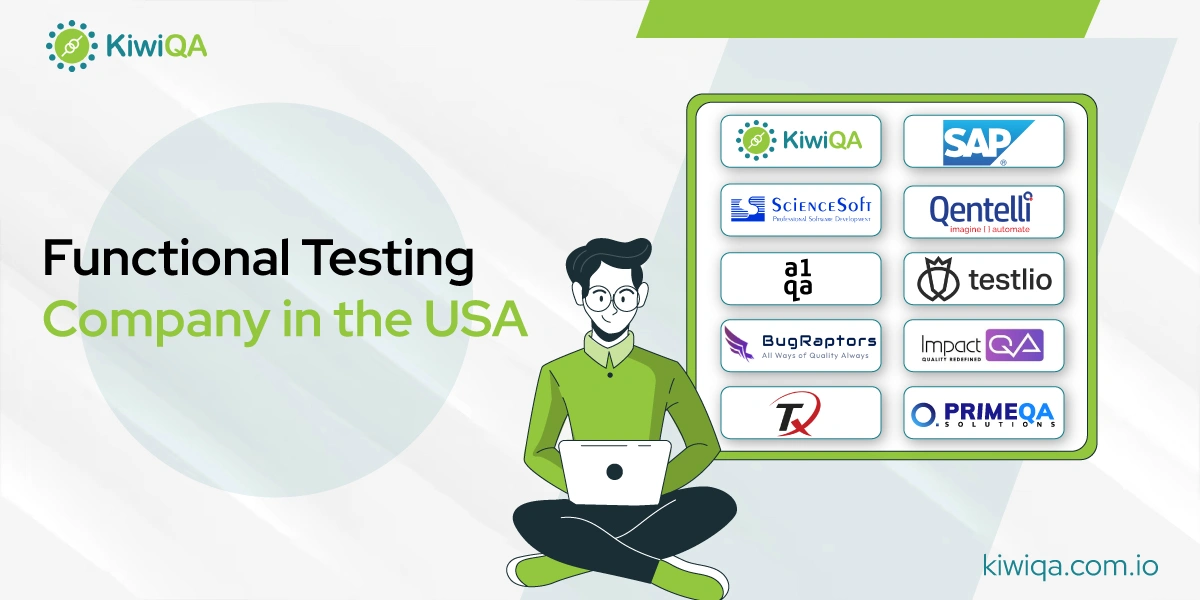
Top Functional Testing Companies in the USA

1. KiwiQA.IO

functional testing


This is the reputable software testing & QA firm delivering comprehensive QA services that cover functional testing to validate that the app performs as desired. They have a qualified, skilled team that uses advanced frameworks to deliver effective & reliable testing across mobile, web, and enterprise solutions. For years, this company has been supporting clients to detect errors from startups to large enterprise businesses. They emphasize flexible engagement models with rapid integration to speed up the development process.

Key Points Services Provided
Founded Year: 2009 Mobile Testing
Number of Employees: 51-200 employees Game Testing
Location: Ahmedabad (Serving USA) Test Automation
LinkedIn: KiwiQA Services Functional Testing
Website: KiwiQA Services Security Testing

2. SAPT Solutions

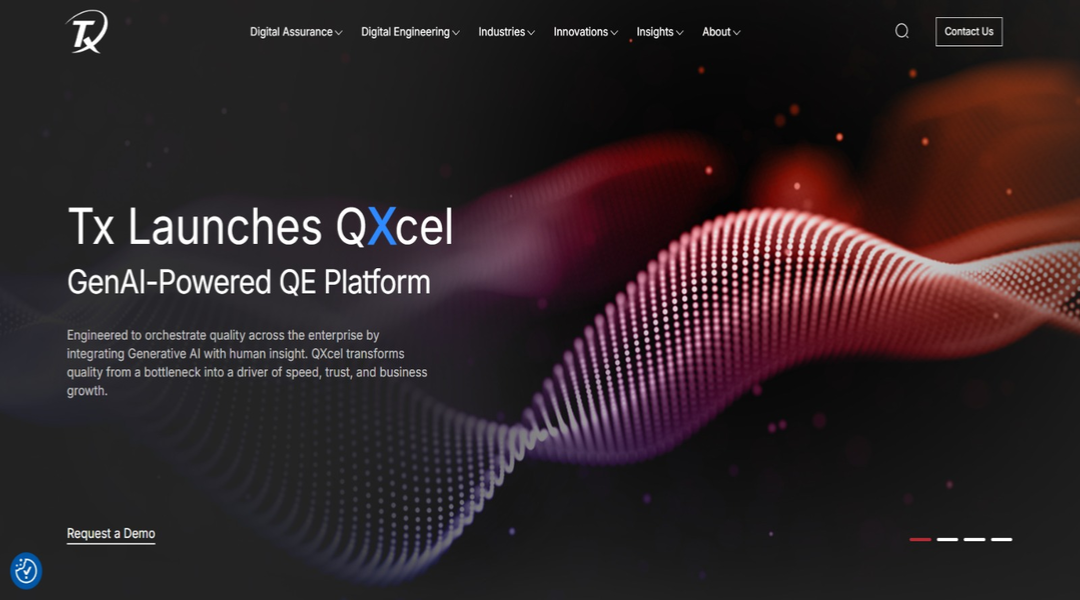
Functional Testing Company

This is another QA & testing provider in the USA focused on delivering reliable functional testing solutions. The company ensures the software app matches specific functional demands and performs accurately in real-world scenarios. Their testing capabilities involve manual & automated tests, regression testing & validation of core organization workflows. Before deploying your app, they will ensure the app matches user satisfaction and reliability.

Key Points Services Provided
Founded Year: 1993 Functional Testing
Number of Employees:501-1,000 employees Regression Testing
Location: USA QA Consulting Services
LinkedIn: SAPT Solutions Integration Testing

3. ScienceSoft

Functional Testing Company

Anyone looking for an established USA QA & testing company can choose them. Their decades of experience allow them to offer multi-level functional testing services. They have a trained QA team that has access to smart tools and advanced technologies to deal with the complex enterprise business and mobile apps. They are ISTQB-certified QA engineers who follow robust, risk-based testing methods to ensure software meets user expectations and industry standards.

Key Points Services Provided
Founded Year: 1989 Functional Testing
Number of Employees: 501-1,000 employees Integration Testing
Location: USA Regression Testing
LinkedIn: ScienceSoft System Testing

4. Qentelli

Functional Testing Company

As part of more comprehensive digital transformation and quality engineering solutions, Qentelli offers software functional testing services in the USA and quality assurance services. In order to make sure applications are suitable for production, their functional testing services concentrate on verifying software functionality, dependability, and stability throughout the development lifecycle. Additionally, they promote DevOps and continuous delivery methods to drive the performance & timeline of releases.

Key Points Services Provided
Founded Year: 2015 Functional Testing
Number of Employees:1,001-5,000 employees Regression Testing
Location: USA Integration Testing
LinkedIn: Qentelli System Testing

5. A1QA

Functional Testing Company

A1QA is an American software testing business with over 20 years of expertise in automated and functional testing. For sectors including financial, healthcare, and e-commerce, they offer end-to-end QA services on desktop, mobile, and online platforms. Their ISO-certified procedures and committed testing teams assist clients in identifying flaws early and guaranteeing reliable, superior apps.

Key Points Services Provided
Founded Year: 2003 Functional Testing
Number of Employees: 1,001-5,000 employees Regression Testing
Location: USA Integration Testing
LinkedIn: A1QA System Testing

6. Testlio

Functional Testing Company

Testilo offers functional testing services in the USA to support digital products across various industries. They focus on blending the manual and automated testing practices, support an AI-powered platform, and a global network. Their functional testing approaches cover a wide range of devices and industries, supporting businesses to ensure software quality and speed up the release cycle.

Their services are designed to limit the risks and accelerate the reliability of the software app. Their main aim is to combine human expertise with machine-driven procedures and deliver impressive outcomes. They integrate with the client system to maintain effective workflows and offer real-time insights into product quality.

Key Points Services Provided
Founded Year: 2012 Functional Testing
Number of Employees: 201-500 employees Mobile & Web Application Testing
Location: USA Regression Testing
LinkedIn: Testlio Integration Testing

7. Bugraptors

Functional Testing Company

Reputable software testing and quality assurance firm BugRaptors has branches throughout the world, including India, the UK, and Australia, in addition to its headquarters in the United States. Functional testing, manual and automated testing, performance and security testing, mobile and web app testing, and specialized QA consulting are just a few of the many QA and testing services that the organization provides. With more than 200 ISTQB-certified testers with ISO 9001:2018 and ISO 27001 certifications, BugRaptors is a reliable partner for guaranteeing software quality and dependability in sectors including banking, healthcare, telecom, and retail.

Key Points Services Provided
Founded Year: 2016 Functional Testing
Number of Employees: 501-1,000 employees Regression Testing
Location: USA System Testing
LinkedIn: Bug Raptors QA Consulting

8. ImpactQA

Functional Testing Company

Impact QA, the renowned QA testing partner of the USA, focuses on offering functional testing for businesses across industries. They take approaches that are combined with traditional testing methodologies and AI-driven automation to support virtual transformation. Functional testing is the core offering, designed to verify the app matches specific needs and deliver consistent outcomes.

The business covers a vast amount of services to the BFSO, the retail and hospitality sector. Their team ensures that apps on mobile & web can be accessed before launch. The business ensures flexible testing modules that integrate seamlessly to support various development cycles and quality demands.

Key Points Services Provided
Founded Year: 2012 Functional Testing
Number of Employees: 201-500 employees Regression Testing
Location: USA Integration Testing
LinkedIn: ImpactQA Mobile & Web Application Testing

9. TestingXperts

Functional Testing Company

This USA software testing & quality engineering partner focuses on functional testing and other software testing practices. They offer digital assurance and straightforward testing approaches by integrating AI into their testing practices. The team ensures that the software app performs exactly how they desired. Their practice prioritizes comprehensive testing throughout the SDLC to deliver quick deployment.

The company serves industries like banking, medical care, retail, and insurance. They serve a range of solutions that align with the client’s business goals. The testing team utilizes advanced tools and frameworks to drive the overall testing efficiency. With the assistance of the QA team, the business can encourage global delivery and resolve defects to deliver reliable software products.

Key Points Services Provided
Founded Year: 2013 Functional Testing
Number of Employees: 1,001-5,000 employees Cloud Testing
Location: USA Agile Testing
LinkedIn: TestingXperts Blockchain Testing

10. PrimeQA Solutions

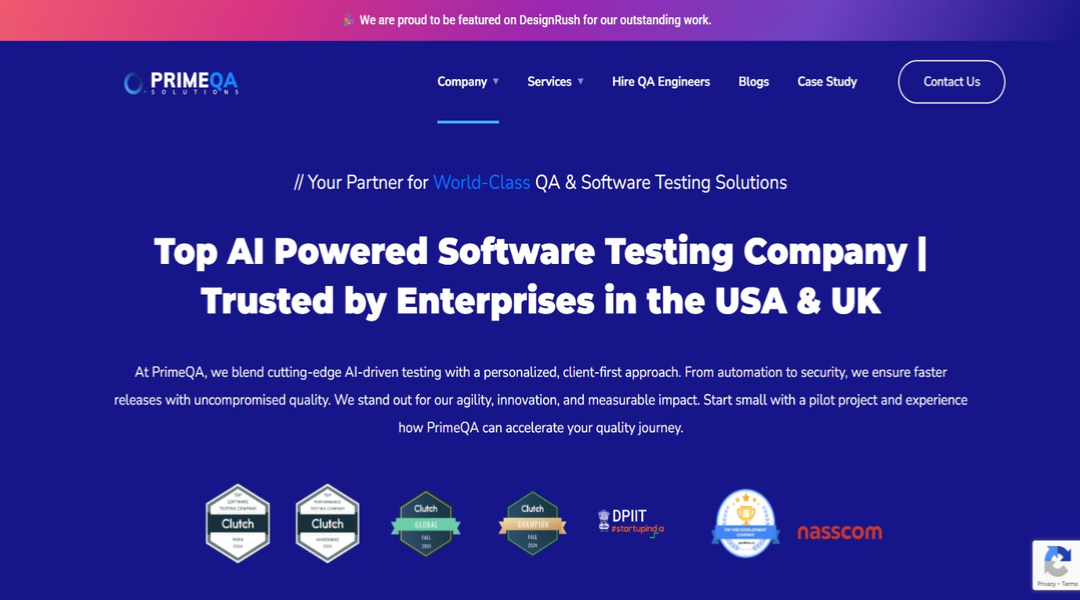
Functional Testing Company

PrimeQA Solutions is a software functional testing company in the USA that provides a wide range of testing services to clients worldwide, including in the USA, with the goal of ensuring that applications operate accurately, dependably, and provide excellent user experiences. They are experts in functional testing, which helps identify flaws early and enhance software quality before release by verifying each feature against business requirements. PrimeQA offers comprehensive test coverage for online, mobile, and business applications by combining human and automated testing techniques with modern tools like Selenium, Cucumber, Appium, and others.

Key Points Services Provided
Founded Year: 2020 Functional Testing
Number of Employees: 51-200 employees Automation Testing
Location: USA Security Testing
LinkedIn: PrimeQA Solutions Performance Testing

How to Choose the Right Functional Testing Partner

● Evaluate Their Portfolio

When choosing a testing partner, look for the partner’s portfolio first. It assists you in understanding the real-world experience and success across various projects and industries. Go through the relevant case studies and evaluate the workflows they follow to resolve the organizational challenges, managed by complicated apps, and deliver measurable outcomes.

A reliable functional testing service provider clearly showcases projects similar to the needs, along with detailed testing approaches and results. When seeking experts, look for their client reviews and long-term partnerships. By considering these factors, a business can validate the quality, credibility, and consistency. It also verifies that the QA provider has practical expertise and can confidently match your functional testing expectations.

● Assess Technical Capabilities

Before you partner with anyone, measure their technical capabilities. Review the tools, platform & technologies they use for both their manual and automated testing for web, mobile, and cloud environments. When you collaborate with the testing partner, make sure they made the right balance between automated and manual testing approaches to verify accuracy and coverage. Hire the experienced QA team that is proficient in advanced automation frameworks, CI/CD integration, and regression testing approaches, allowing faster releases without hampering the software functionality.

● Consider Budget and Engagement Models

Next is budget & flexibility, which plays an important role in selecting a functional testing agency in the USA. Measure whether the QA provider delivers suitable pricing modules, like fixed price, based on project scope and timelines. Transparent cost structures avoid the unexpected expenses. In addition, you can hire someone who offers a trial period or pilot projects. Before you make a long-term commitment, consider these approaches to limit the risk. Ensure they value your money and build confidence.

Also Read: User Acceptance Testing for Salesforce: Key Steps to Ensure Successful Deployment

Benefits of Partnering with a Functional Testing Company in the USA

● Access to skilled professionals

Collaboration with a functional testing company in the USA allows businesses to directly collaborate with skilled QA professionals. The skilled QA professional has strong technical domain expertise and best practices. They are experts who have specialization in testing complex enterprise systems, SaaS platforms, and customer-facing apps across industries.

They have in-depth business processes, quality standards, and testing methodologies to verify accurate validation of app functionality. With an experienced QA team, a business can limit the error leakage, drive user satisfaction, and maintain consistent software quality. Since they have trained experts, they promise to deliver guaranteed success.

● Better time zone alignment for collaboration

Collaborating with a functional testing company in the USA delivers better time-alignment, allows real-time communication, and faster collaboration. Partnering with experts allows for getting support for faster feedback cycles, effective error resolution, and smoother workflows. The expert companies conduct daily discussions to resolve issues and review meetings to avoid delays. With them, the chances of risk will be limited. Improved collaboration maintains momentum, shortens release cycles, and ensures testing activities are closely aligned with the evolving organization’s demands.

● Strong data security and compliance standards

The functional testing companies in the USA follow strict data security and compliance standards to safeguard sensitive business and client data. The experts are well-aware of the industry regulations such as HIPAA, PCI-DSS, and industry-specific guidelines. The team ensures safe handling of test data and the environment.

They follow the robust security practices that involve access controls, secure infrastructure, and a compliance-driven testing process. It limits the risk of data breaches. They emphasize security and compliance, allowing organizations to meet regulatory demands while maintaining customer trust and brand reputation.

● Support for both legacy and modern applications

The US-based functional testing companies offer comprehensive support for both advanced & existing systems for cloud-native apps. They understand the challenges of maintaining older platforms while managing compatibility with new technologies, integration, and updates.

The modern testers validate the core functionalities, data flows & performance across legacy apps. They integrate modern testing frameworks, APIs, and microservices. The balanced approaches verify organization continuity, smooth digital transformation, and consistent app performance across evolving demands.

Contact us

Ready to Elevate Your Software Quality? Let’s Talk Testing That Delivers

Functional testing plays a pivotal role in SDLC. It supports understanding that the software matches its specific requirements and operates based on real-time expectations. By detecting and resolving errors early, it safeguards time and minimizes cost throughout the SDLC. Additionally, it boosts customer satisfaction by delivering reliable & effective products. A straightforward practice of functional testing will change the overall software development excellence.

Functional testing companies in the USA that we discussed above play a necessary role in assisting organizations to deliver reliable and high-performing software products. By prioritizing their abilities and skills, organizations can collaborate with them based on specific needs. These organizations support vast industries to limit software errors and boost client satisfaction. All of them offer a wide range of services from web & mobile apps testing to complex systems.

The QA experts will ensure that every product they deliver fulfills business demands before reaching the market. Pick the right functional testing partner who contributes to the project’s success. Choose experts serving the following services, combined with the technical excellence, industry expertise, and organized testing approaches to support organizations in managing quality. With the evolving virtual transformation, the requirement for functional testing remains increasing. Hire the best functional testing company and maintain your operational efficiency and customer expectations.